In a recent post by Shaun Syvertsen that “Procurement only gets 17% of their technology funding approved, James Marland shares it is because “most people don’t know how to effectively communicate their ideas.”
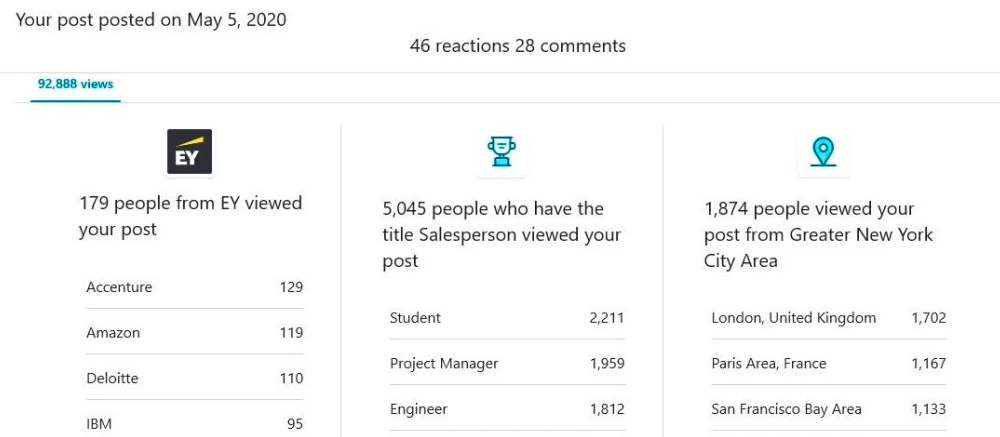
In May 2020, I wrote a LinkedIn post asking the question, Can Procurement Collaborate Outside of a Crisis? in which I cited Kate Vitasek’s famous Minnesota I35-W bridge collapse rebuild story – https://bit.ly/3DEbO46 (see image below).
As I referenced this post on several occasions in the past, I thought I would take a different track today and share my response to a comment in Shaun’s post by Tanya Thomas.
In her comment regarding James Marland’s comment that only 17% of procurement’s technology funding gets approved, Tanya wrote the following:
“It’s so true that effective communication can make all the difference in securing funding. It’s about making a compelling case that aligns with the organization’s goals. 👏👌👍”
Here is my response:
Tanya Thomas, you make a great point!
So, let me ask you this question – why is communication and collaboration so difficult for so many organizations?
I asked ChatGPT “What percentage of executives feel that their organizations are good at communicating and collaborating?”
The percentage of executives who feel their organizations are good at communicating and collaborating is typically around **30% to 40%**, depending on the study or survey. Here are some examples from recent research:
1. **McKinsey & Company** found that **39%** of executives believe their organizations effectively collaborate across departments and functions.
2. **PwC’s Global CEO Survey** reported that **33%** of CEOs identified communication and collaboration issues as barriers to achieving strategic goals.
3. **Harvard Business Review** published findings showing that only about **30%** of leaders think their companies excel in cross-functional collaboration.
These numbers suggest that a majority of executives see communication and collaboration as areas for improvement within their organizations.
Today’s Post Takeaway
So, here is my question: Will implementing a GenAI solution in an environment where communication and collaboration are challenging work?
Does poor or less-than-ideal communication and collaboration with stakeholders – both inside and outside the company, increase or decrease the potential success of a procurement GenAI initiative?
30



 Procurement Insights
Tahj Bomar
September 23, 2024
That’s awful, on average between those three (3) studies, only 34% of leaders think their companies excel in cross-functional collaboration.
So my question to the leaders, what are you doing to fix that and make it a priority???
Thank You
Tahj Bomar, SPSM
>
piblogger
September 23, 2024
That is a great question, Tahj!
distinguished2a03f5d5ec
January 16, 2025
I know advancing and enhancing procurement processes can be challenging, especially when there is a lack of collaboration between the customer’s departments (stakeholders) and the solutions provider. This challenge is particularly evident when integrating technology into procurement, including generative AI. Without collaboration, the full benefits of AI cannot be realized.
The quality of your questions directly impacts the quality of the answers you receive. Likewise, comprehensive data leads to better analysis. Formulating a series of interrelated questions that reflect the interconnected nature of procurement and its integration across various departments within the organization is essential.
Here are some questions that may differ by department: Do my suppliers have adequate insurance coverage for today’s risks and costs? Conversely, are my suppliers becoming riskier based on trends identified in their OSHA 300A forms? What potential cost savings could I achieve by reviewing my suppliers’ payment terms? These questions illustrate that each department has unique focuses, objectives, and challenges.
AI should address the questions and concerns of all stakeholders involved in procurement. This underscores the importance of well-defined, carefully structured questions that align with the organization’s overall goals and objectives. It is not as straightforward as one department asking a single question, which brings with it the risk of not achieving the organization’s strategic objectives.
piblogger
January 16, 2025
Asking the right questions is what human-led Agent-based modelling is all about.
Asking a single question – figuratively speaking is a reflection of a tech-led Agentic AI model.
In the first instance understanding and adapting to the way the real-world works is the primary objective.
With the second instance, dictation and compliance with how the system works requiring humans to adapt to it is the main objective.
You provided a great summary that warrants further discussion.